Bangladesh is going through a tough time, facing both economic difficulties and security threats. People are struggling with rising prices, and public safety is becoming a major concern. Strong leadership is needed now more than ever.
The Role of Dr. Muhammad Yunus
Nobel laureate Dr. Muhammad Yunus, leading the interim government, has the opportunity to bring stability. This article highlights the main problems of increasing product prices and security risks, urging him to take effective steps to improve the situation.
Bangladesh’s Economy: Prices Are Going Up
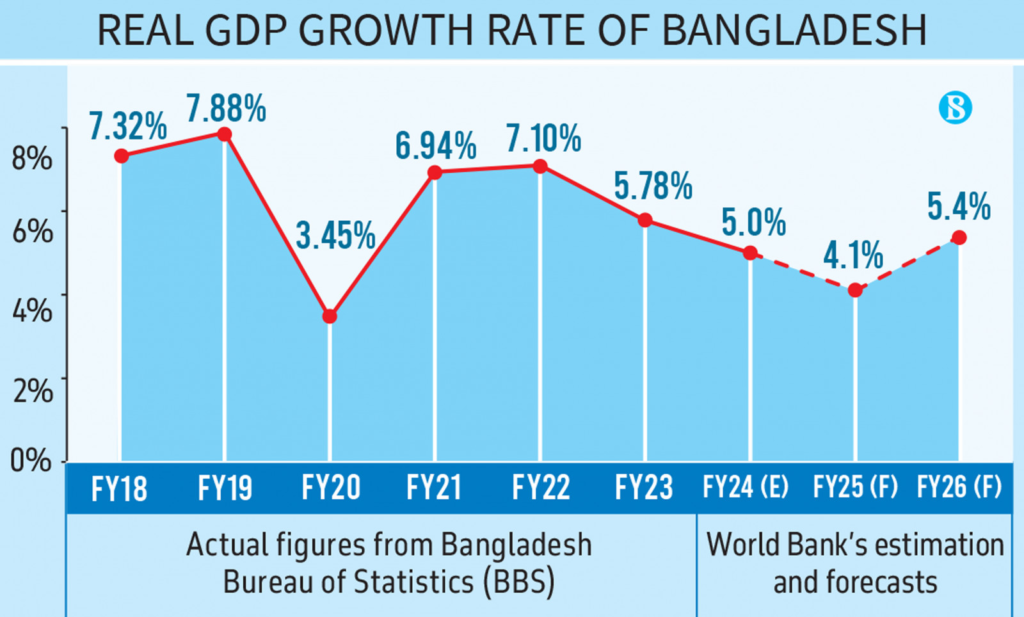
The economy of Bangladesh is struggling. The International Monetary Fund (IMF) says the country’s growth will slow down to 4.5% in 2024-25, the lowest in nearly 20 years (except during COVID-19).
At the same time, inflation is rising—it could reach 10.7%, which means that prices of food and other daily items will keep increasing. People are struggling to buy what they need, and life is becoming more difficult.
One example is the food crisis for Rohingya refugees. The World Food Programme (WFP) had to cut food aid, reducing their monthly food voucher from 1,515 taka to 726 taka. This means less food for thousands of people who are already in a tough situation.
Safety Problems: Threats and Political Changes
Bangladesh is also facing security issues. Recently, police in Dhaka had to stop thousands of members of a banned extremist group, Hizbut Tahrir. Such groups threaten the peace of the country and go against its secular values.Meanwhile, a new political group, the National Citizens’ Party (NCP), has been formed by young people. They want to change the system and bring real democracy by writing a new constitution. But with so much instability, people are worried about whether the country can hold elections by the end of 2025.
What Dr. Yunus Can Do to Fix These Problems
To improve the situation, Dr. Yunus must take strong action in two key areas:
1. Fixing the Economy
✅ Control Prices – The government should limit the prices of basic goods like rice, oil, and vegetables so people can afford them.
✅ Help the Poor – More financial help and food support should be given to low-income families.
✅ Create More Jobs – Investing in farming and small businesses will give people more job opportunities.
2. Making the Country Safe
✅ Better Policing – Police should be well-trained and equipped to handle extremist threats while being fair and respectful.
✅ Work With Communities – People should be encouraged to report security concerns to help prevent problems before they happen.
✅ Talk With Political Groups – The government should have peaceful discussions with groups like NCP to keep the country stable and fair.
Conclusion
Bangladesh needs quick and smart actions to fix rising prices and security risks. Dr. Yunus has a big responsibility to make life better for the people.
By helping people afford their daily needs and keeping the country safe, the government can bring back public trust and put Bangladesh on the path to growth and peace.
How Artificial Intelligence is Changing the World:
Artificial Intelligence (AI) has become an inseparable part of our daily lives, influencing everything from how we work to how we communicate, shop, and even entertain ourselves. Once considered a futuristic concept, AI is now a reality, seamlessly integrated into various aspects of modern life.
From voice assistants like Siri and Alexa to personalized recommendations on Netflix and Amazon, AI is shaping the world in ways we never imagined. But what exactly is AI, and how does it impact our everyday experiences? Let’s explore its effects across different sectors.
AI in Communication
One of the most noticeable ways AI impacts our daily lives is through communication. AI-powered chatbots and virtual assistants help businesses handle customer queries efficiently.
Platforms like Gmail use AI to suggest email responses, making communication quicker and more effective. AI also enhances language translation, breaking down barriers and making global interactions more accessible.
AI in Healthcare
The healthcare industry has benefited immensely from AI advancements. AI-powered diagnostic tools can detect diseases such as cancer with remarkable accuracy, aiding doctors in early detection and treatment.
Wearable devices with AI capabilities monitor vital signs and provide real-time health data, helping individuals track their well-being. Furthermore, AI-driven drug discovery is revolutionizing the development of new medicines, making treatments more effective and accessible.
AI in Education
AI is transforming education by personalizing learning experiences. Platforms like Duolingo and Coursera use AI algorithms to tailor lessons based on individual learning speeds and preferences. AI-powered tutors provide assistance to students, ensuring they grasp difficult concepts efficiently.
Moreover, automated grading systems save teachers valuable time, allowing them to focus more on student engagement and mentorship.
AI in Entertainment
From streaming services to gaming, AI plays a significant role in entertainment. Platforms like Netflix, YouTube, and Spotify use AI to analyze user behavior and recommend content based on individual preferences. In the gaming industry, AI-driven characters and environments make games more realistic and immersive.
AI is also being used in content creation, helping artists generate music, scripts, and even deepfake videos.
AI in Shopping and Retail
Online shopping has become more convenient with AI-powered recommendations and personalized shopping experiences. Retail giants like Amazon and eBay use AI to analyze customer preferences and suggest products accordingly.
AI-driven chatbots assist shoppers by answering queries and providing support, enhancing the overall shopping experience. Additionally, AI-powered inventory management helps businesses optimize stock levels and reduce waste.
AI in Transportation
The transportation sector has witnessed revolutionary changes due to AI. Self-driving cars, developed by companies like Tesla and Waymo, are transforming the future of commuting.
AI-powered navigation systems help drivers find the fastest routes, reducing traffic congestion and fuel consumption. Ride-hailing services like Uber and Lyft use AI to match riders with drivers efficiently, improving travel experiences.
AI in Security and Privacy
AI-driven security systems help detect fraud, prevent cyberattacks, and enhance online safety. Financial institutions use AI algorithms to identify suspicious transactions and prevent fraud in real-time. Facial recognition technology is being employed for secure authentication in smartphones and workplaces.
However, with the increasing use of AI in security, concerns about data privacy and surveillance have also emerged, prompting discussions about ethical AI usage.
The Future of AI
As AI continues to evolve, its impact on everyday life will only grow. From smart homes that automate household tasks to AI-powered robots assisting in industries, the possibilities are endless.
Conclusion
However, with these advancements come challenges, such as job displacement and ethical concerns regarding AI decision-making. It is crucial to strike a balance between innovation and responsible AI deployment to ensure a positive impact on society.
AI is no longer just a concept of the future; it is actively shaping our present. From improving healthcare and education to enhancing entertainment and shopping experiences, AI has transformed the way we live. While there are challenges and ethical concerns, AI’s potential to revolutionize various sectors is undeniable. As technology advances, embracing AI responsibly will pave the way for a smarter, more efficient world.
This BBQ Chicken recipe is easy to make and perfect for grilling season. The combination of a flavorful marinade and a smoky BBQ sauce makes it juicy and delicious!
Ingredients
For the Marinade:
500 gram chicken (thighs, drumsticks, or breast)
2 tbsp soy sauce
1 tbsp lemon juice
1 tbsp garlic paste
1 tbsp ginger paste
1 tsp paprika
1 tsp black pepper
Salt to taste
For the BBQ Sauce:
½ cup tomato ketchup
2 tbsp Oyster sauce
½ cup BBQ sauce
½ tsp chili sauce (adjust to taste)
2 tbsp soy sauce
Instructions
1.Marinate the Chicken 🥣
In a bowl, soy sauce, lemon juice, garlic and paste, paprika, black pepper, and salt.
Coat the chicken pieces well and marinate for at least 2 hours (overnight for best flavor).
2.Prepare the BBQ Sauce 🍯
In a saucepan, mix ketchup, Oyster sauce, Chili sauce, BBQ sauce , and Soy sauce.
Cook on low heat for 3-5 minutes until the sauce thickens.
3.Grilling the Chicken 🔥
Preheat the grill or BBQ on medium-high heat.
Place the chicken on the grill and cook for 6-7 minutes per side, basting with BBQ sauce.
Grill until the chicken is golden brown and cooked through (internal temp: 75°C or 165°F).
4.Serve & Enjoy 🍽️
Brush extra BBQ sauce before serving.
Serve hot with coleslaw, grilled veggies, or fresh bread.
🔥 Tips: No Grill? You can cook it on a stovetop grill pan or bake at 200°C (400°F) for 25-30 minutes. Spicy? Add extra chili powder or hot sauce for a fiery kick! Smoky Flavor? Add a piece of charcoal in a small bowl with a drop of oil, cover, and let the smoke infuse for 5 minutes.
Enjoy your homemade BBQ Chicken with family and friends! If you need new recipe click here
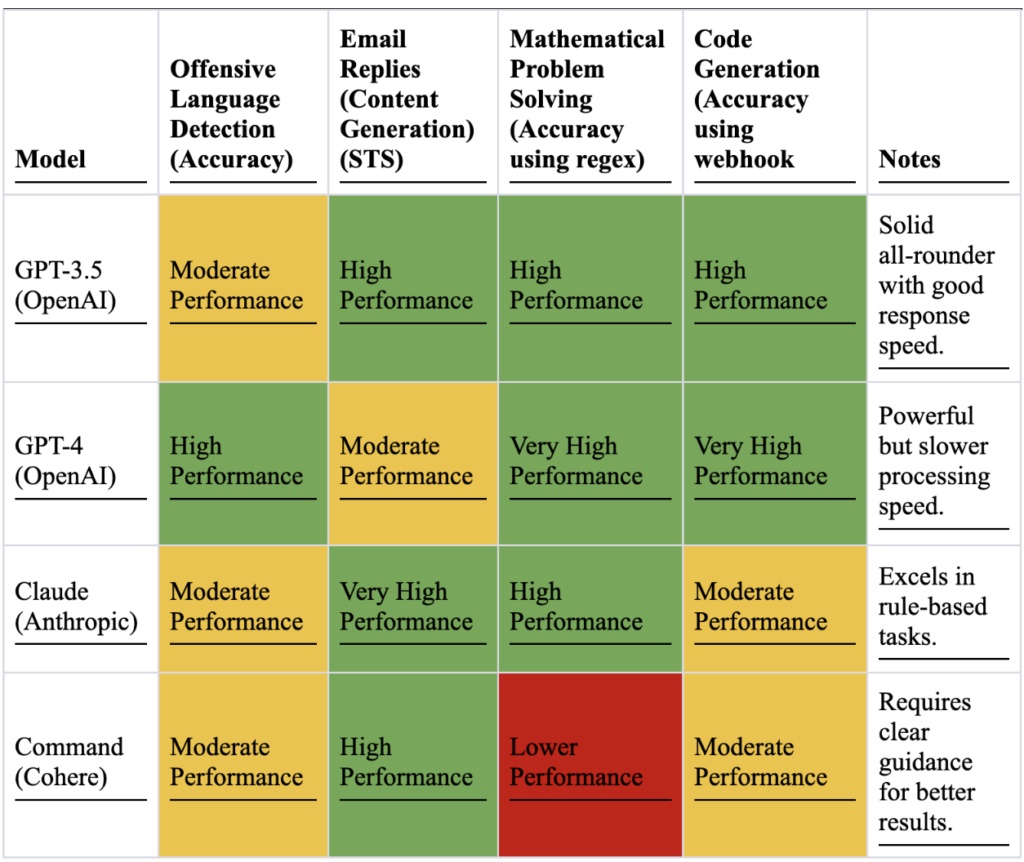
Claude AI, developed by Anthropic, is an advanced artificial intelligence language model designed to understand and generate human-like text. It belongs to the same family of large language models as OpenAI’s GPT models, and it aims to offer a conversational AI experience that is safe, ethical, and interpretable.
The Claude AI family is named after Claude Shannon, a foundational figure in the field of information theory, reflecting the model’s focus on efficient, interpretable, and meaningful communication.
Claude AI Evolution
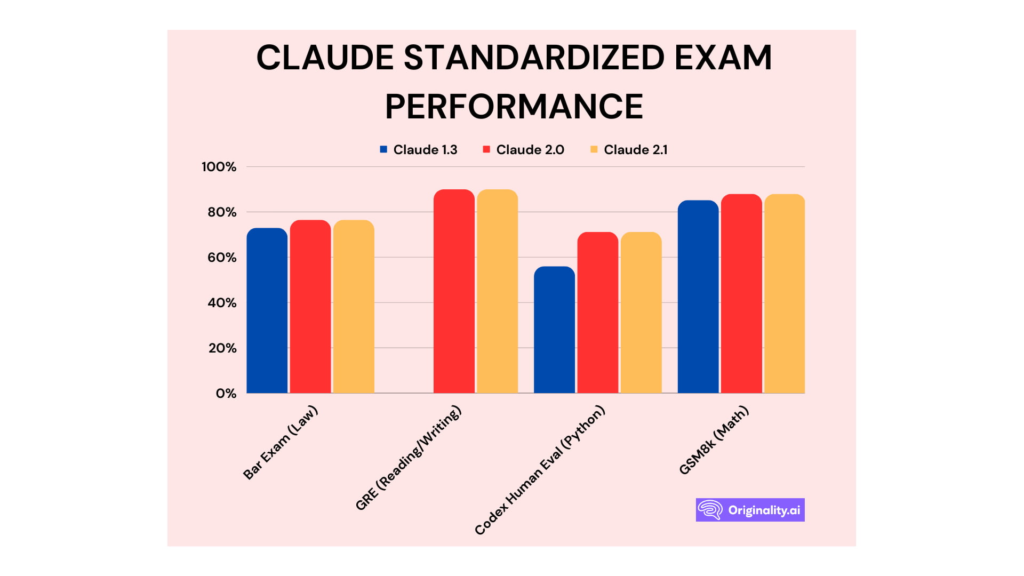
Claude 1.3: This initial version demonstrated strong foundational abilities, achieving:
Bar Exam (MBE): 73%
HumanEval (Python coding): 56%
GSM8K (Grade School Math): 85.2%
Claude 2: Building upon its predecessor, Claude 2 showcased significant improvements:
Bar Exam (MBE): 76.5%
GRE Writing: 5.0 (out of 6)
HumanEval (Python coding): 71.2%
GSM8K (Math): 88%
Claude 3 Series: Anthropic introduced three models—Opus, Sonnet, and Haiku—each tailored for specific applications:
Claude 3 Opus: The most advanced model, excelling in complex tasks.
Claude 3 Sonnet: Balances intelligence and speed, ideal for enterprise workloads.
Claude 3 Haiku: Designed for rapid responses, offering cost-effective solutions.
Performance Benchmarks
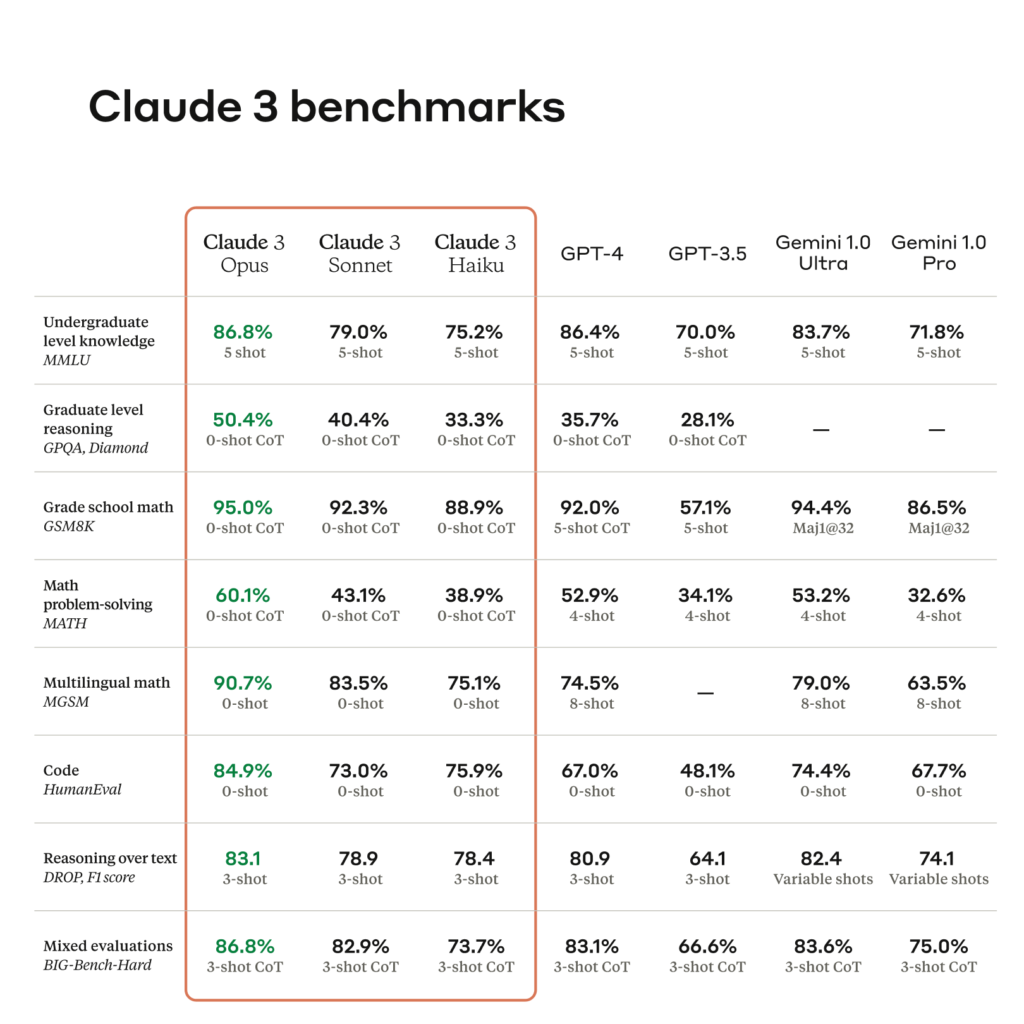
Claude 3 Opus has achieved notable scores across various standardized tests:
Test
Claude 3 Opus
GPT-4
Bar Exam (MBE)
85%
75.7%
GRE Quantitative
159
N/A
GRE Verbal
166
N/A
GRE Writing
5.0
N/A
HumanEval (Python coding)
84.9%
N/A
GSM8K (Math)
95%
92%
Note: GRE scores are out of 170 for Quantitative and Verbal sections, and out of 6 for Writing.
Multimodal Capabilities
All Claude 3 models are vision-language models (VLMs), enabling them to process both text and images. This multimodal capability allows for reasoning over diverse data types, including charts, presentations, PDFs, and images.
Speed and Cost Efficiency
Anthropic has optimized the Claude 3 models for both performance and cost:
Claude 3 Sonnet: Twice as fast as Claude II, suitable for large-scale deployments.
Claude 3 Haiku: The fastest and most cost-effective model, with a 200k context window and lower token pricing than GPT-3.5.
Availability
Claude 3 Opus and Sonnet are accessible via Anthropic’s API. Sonnet is also available on Amazon Bedrock and in private preview on Google Cloud’s Vertex AI Model Garden, with plans to include Opus and Haiku soon.
Recent Developments
Anthropic’s latest release, Claude 3.7 Sonnet, introduces “hybrid reasoning” capabilities, enhancing problem-solving, mathematical reasoning, and coding proficiency. This model is available through the Claude app, Anthropic’s API, Amazon Bedrock, and Google’s Vertex AI.
Company Valuation and Vision
Anthropic’s valuation has surged to $61.5 billion, following a $3.5 billion funding round. The company aims to develop AI models that can transform society by automating complex tasks, akin to the impact of the industrial revolution.
Co-founder and CEO Dario Amodei predicts that superintelligent AI, surpassing human intelligence in most fields, could emerge as early as next year.
Comparative Analysis
In evaluations comparing AI assistants, Claude stands out for its ability to organize tasks and suggest actionable steps with a personable touch. However, it currently lacks real-time web access, a feature present in some competitors
Claude AI’s advancements highlight Anthropic’s dedication to responsible AI development. With the Claude 3 series, especially Opus, the model has achieved state-of-the-art performance in reasoning, coding, and problem-solving. Its multimodal capabilities allow it to process text and images effectively.
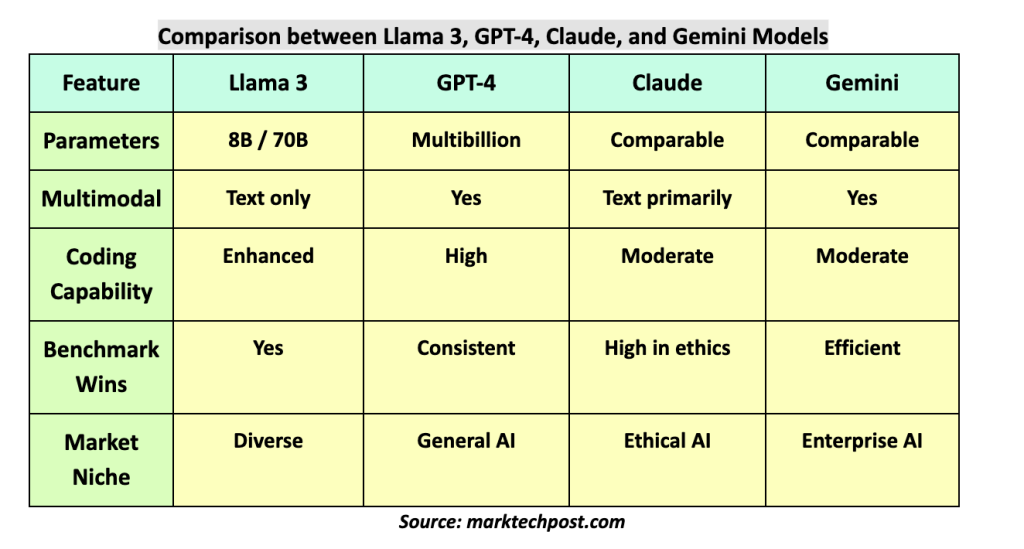
Compared to GPT-4, Claude 3 excels in some areas like the bar exam and Python coding. However, it still lacks real-time internet access, limiting its ability to fetch the latest information. As AI continues to evolve, Claude AI remains a strong contender in the race for general intelligence, pushing the boundaries of AI-powered automation and innovation.
Conclusion
Claude AI’s evolution reflects Anthropic’s commitment to advancing AI capabilities while emphasizing safety and reliability. With each iteration, Claude has demonstrated significant improvements, positioning itself as a formidable competitor in the AI landscape.
Ramadan: Regular A’mal and Duas for Maximum Blessings
Ramadan is a blessed month filled with mercy, forgiveness, and countless rewards. Engaging in regular A’mal (good deeds) and reciting specific duas can maximize the benefits of this sacred time. Below is a guide to essential Ramadan duas, their significance, and daily practices to follow for spiritual growth.
Importance of Ramadan and Its Fazilat (Virtues)
Ramadan holds immense significance in Islam. The Holy Quran was revealed in this month, and fasting is prescribed as an act of devotion. Prophet Muhammad (ﷺ) said:
“Whoever fasts in Ramadan with faith and seeking reward, his past sins will be forgiven.” (Bukhari & Muslim)
To fully benefit from Ramadan fazilot, one must engage in regular ibadah (worship), including fasting, prayers, recitation of the Quran, and duas.
Essential Duas for Ramadan:
Here is a Ramadan dua list to recite daily:
Dua for Fasting (Sehri/Niyyah) “Wa bisawmi ghadinn nawaitu min shahri Ramadan.” “I intend to keep the fast for tomorrow in the month of Ramadan.”
Dua for Breaking Fast (Iftar) “Allahumma inni laka sumtu wa bika aamantu wa ‘alayka tawakkaltu wa ‘ala rizq-ika-aftartu.” “O Allah! I fasted for You, and I believe in You, and I put my trust in You, and with Your sustenance, I break my fast.”
Dua for Laylatul Qadr (Night of Decree) “Allahumma innaka ‘afuwwun tuhibbul ‘afwa fa’fu ‘anni.” “O Allah, You are Forgiving and love forgiveness, so forgive me.”
Dua for Seeking Forgiveness “Astaghfirullah wa atubu ilayh.” “I seek forgiveness from Allah and repent to Him.”
Best A’mal (Regular Deeds) During Ramadan
To gain Ramadan fazilot, consider incorporating these regular A’mal into your daily routine:
✅ Recite the Holy Quran: Read at least one Juz daily to complete it in Ramadan. ✅ Perform Extra Prayers: Pray Taraweeh at night and additional Nafl prayers. ✅ Give Sadaqah (Charity): Increase acts of kindness and donations. ✅ Make Constant Dua: Use the best dua list for Ramadan for forgiveness and guidance. ✅ Practice Dhikr (Remembrance of Allah): Regularly recite SubhanAllah, Alhamdulillah, Allahu Akbar. ✅ Seek Laylatul Qadr: Engage in worship on the last ten nights of Ramadan.
Dua for Fasting Outside Ramadan
Fasting is encouraged outside Ramadan as well. If you fast on Mondays, Thursdays, or other Sunnah days, recite this dua for fasting not in Ramadan:
“Nawaitu sauma ghadi lillahi ta’ala.” “I intend to fast tomorrow for the sake of Allah.”
Additional Duas for Ramadan and Beyond
Along with the daily duas for Ramadan, consider reciting additional supplications that bring spiritual peace and blessings. Some powerful duas include:
✅ Dua for Strength During Fasting: “Allahumma inni as’aluka sihhatan wa afiyatan wa barakatan fi rizqi.” “O Allah, I ask You for health, well-being, and blessings in my sustenance.”
✅ Dua for the Last 10 Days of Ramadan: “Allahumma ajirni min an-naar.” “O Allah, save me from the Hellfire.”
✅ Dua for Guidance and Righteousness: “Rabbana hablana min azwajina wa dhurriyyatina qurrata a’yun wa-j ‘alna lil-muttaqina imama.” “Our Lord, grant us from among our spouses and offspring comfort to our eyes and make us leaders for the righteous.”
Dua for Fasting Outside Ramadan
Fasting is encouraged outside Ramadan as well. If you fast on Mondays, Thursdays, or other Sunnah days, recite this dua for fasting not in Ramadan:
“Nawaitu sauma ghadi lillahi ta’ala.” “I intend to fast tomorrow for the sake of Allah.”
Fasting outside of Ramadan, such as on Arafah, Ashura, or the White Days (13th, 14th, and 15th of each Islamic month), brings immense blessings and helps maintain spiritual discipline.
Conclusion
Ramadan is an opportunity for spiritual renewal. By engaging in regular A’mal and reciting powerful duas for Ramadan, we can draw closer to Allah and attain immense rewards. Let’s make this Ramadan a time of devotion, reflection, and positive change. May Allah accept our fasting and prayers. Ameen!
Keep this Ramadan dua list handy and share it with others to spread blessings!
If you need creativity, conversation, and versatility, go with ChatGPT.
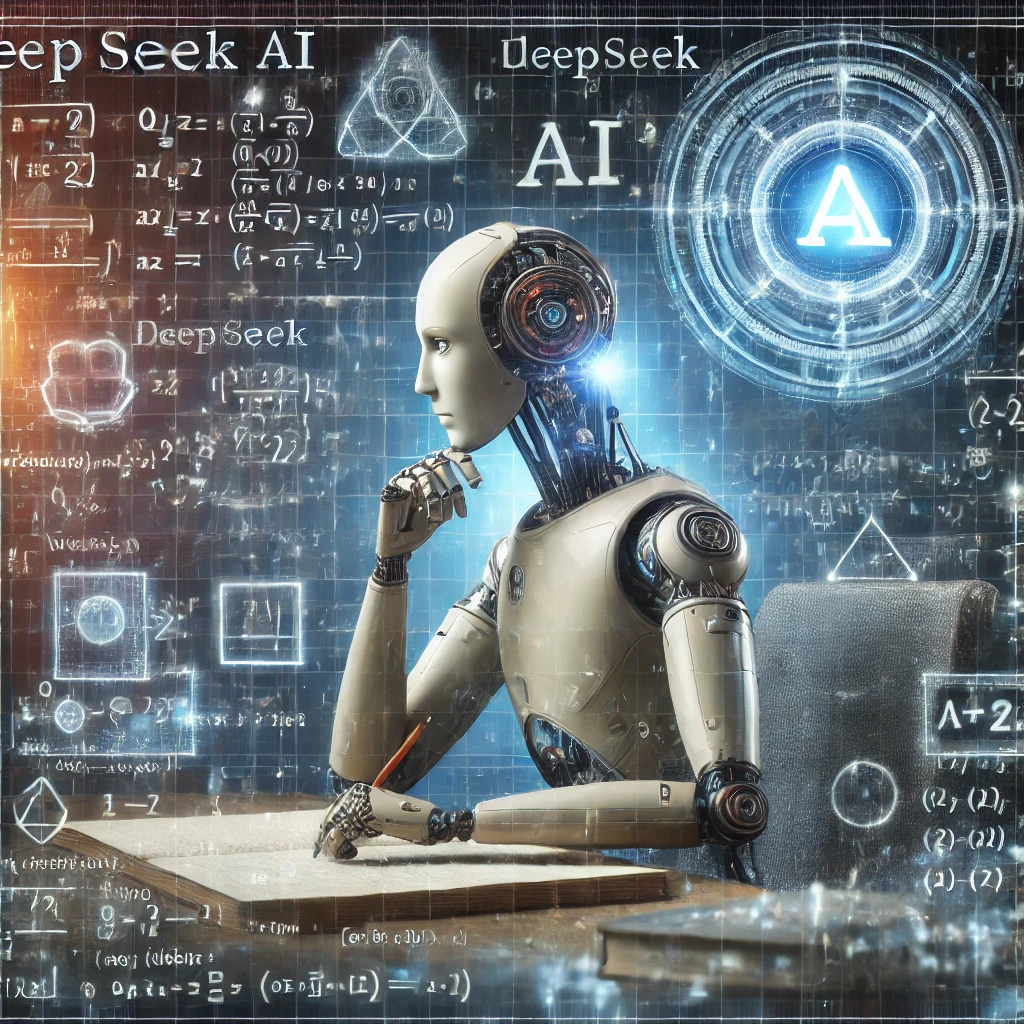
If you need deep logic, math, and structured problem-solving, DeepSeek AI is a better choice.
ChatGPT vs. DeepSeek AI: A Deep Comparison
1. Purpose & Design
ChatGPT, developed by OpenAI, is a general-purpose AI chatbot designed to assist users with various tasks, including conversations, creative writing, coding, learning, and business applications. It excels in generating human-like text, making it useful for writers, students, and professionals.
On the other hand, DeepSeek AI is engineered for advanced logical reasoning, mathematics, and problem-solving. It specializes in structured thinking, making it a powerful tool for engineers, researchers, and programmers who need precise calculations and logical answers.
2. Strengths & Weaknesses
ChatGPT is highly creative and can generate stories, poetry, business plans, and even debug code. However, it sometimes struggles with deep mathematical proofs and strict logical consistency.
DeepSeek AI, in contrast, is built for rigorous reasoning and excels at solving complex mathematical equations and algorithmic problems. While it is excellent at precision-based tasks, it lacks the same level of creativity and natural conversation ability as ChatGPT.
3. Best Use Cases
ChatGPT: Ideal for casual conversations, content creation, idea brainstorming, and general problem-solving.
DeepSeek AI: Best for mathematics, structured programming logic, and research-based queries requiring exact answers.
In short, ChatGPT is more versatile, while DeepSeek AI is more specialized for logical and mathematical tasks. Choosing the right AI depends on your specific needs!
In our Bangladesh, 30-40% of farms do not trim the beaks of chickens properly. Even when it is done, the management after trimming is not handled correctly.
The natural behavior of chickens is to establish dominance within the group. As a result, they fight among themselves. Through these fights, the dominant chicken asserts its position, and the others accept their subordination. The weaker chickens are often pecked by the stronger ones.
Moreover, when a chicken’s beak grows long, it becomes fearful of other chickens’ beaks. It fears that if it doesn’t defend itself first, it might be attacked. Therefore, it tries to peck first, leading to cannibalism.
During such pecking incidents, the injured chicken bleeds. When other chickens see the blood, they become attracted to it and continue to peck at the injured one, sometimes tearing it apart.
This situation is known as a chicken riot.
Sometimes, in a flock of a thousand layers, 1-2 chickens may be killed in a day, and 30-90 eggs may be eaten. This could turn the farm into a loss-making project. Therefore, beak trimming is a very important aspect of farm management.
Other Reasons for Pecking and Fighting:
Calcium deficiency in the feed.
Ammonia gas presence in the house.
Chickens being overcrowded.
Too little or too much salt in the feed.
Sunlight entering the house.
Beak Trimming:
Beak trimming refers to cutting certain sharp parts of a chicken’s beak.
Beak Trimming for Chicks: In chicks, the process of trimming the beak is known as “beak trimming” (beaktrimming).
Why Do We Trim the Beak?
To prevent pecking and fighting during the day. We cannot control the intensity of light during the day, which leads to increased pecking. Thus, trimming is essential to prevent cannibalism (feather and toe picking).
To reduce feed wastage.
To improve Feed Conversion Ratio (FCR).
To bring uniformity in the flock. This helps improve overall uniformity among chickens.
Chickens tend to eat larger grains (like corn), but fine components like protein and other vitamins and minerals, which aid growth, are present in smaller feed particles. Beak trimming helps them access these nutrients.
To prevent egg-eating.
To avoid death due to cannibalism.
When Should Beak Trimming Be Done?
The timing of beak trimming depends on several factors:
Breeder/Commercial Layer: Breeder farms have better lighting systems and management practices, so chickens remain healthy, and beak trimming can be done at any time. However, in commercial farms, this luxury isn’t available, so the trimming process needs to be more carefully timed.
Chick Growth and Vaccination Schedule: Beak trimming should be avoided between 7-12 weeks of age since chickens grow rapidly during this period, gaining about 100 grams per week. If trimmed during this time, weight gain might be affected. Additionally, many vaccinations are given before 7 weeks, and trimming during this time can pose health risks.
Traditional Method/Correct Method: The traditional method involves trimming the beak first, followed by filing. The correct method is to trim first and then file.
Chicken Health/Stress: Beak trimming is difficult to do if the chickens are unwell. Additionally, if the temperature is above 35°C, trimming should be avoided.
Breed: Different breeds may require beak trimming at different times. For example, for Kazi Highline, trimming once between 7-10 days is sufficient, while in CP chicks, trimming is done at 9-12 weeks.
Duration on the Floor: The ideal age for trimming chicks is between 6-10 days. If not trimmed by this time, they should be filed.
For growing chickens, beak trimming is best done at 9-12 weeks to minimize stress. However, in many countries, beak trimming is done at 11-14 weeks, and in hatcheries, it is often done with lasers within the first 10-30 days. Beak trimming is banned in some countries.
Reasons to Avoid Beak Trimming Between 12-14 Weeks: At this age, beak trimming causes more stress, and production might be delayed.
Beak Trimming Method:
If done correctly, trimming reduces the likelihood of future beak growth. If the trimming is followed by proper cauterization, bleeding will stop, and the chances of further growth will be reduced.
Trimming at a young age reduces the strain on the chickens. Incorrect trimming can make it difficult for chickens to eat.
Trimming Procedure:
Trim 0.2 cm from the front of the upper beak and 0.2-0.3 cm from the lower beak.
Both upper and lower beaks should be trimmed equally or the lower beak slightly longer.
The white part at the front of the beak should be cut off. Hold the beak in the machine for 2 seconds to trim.
For growing chickens, trim ½ to ⅔ of the upper beak and ¼ to ⅓ of the lower beak.
In breeders, male chicks should have their beaks trimmed to be equal.
The upper and lower beaks should be trimmed separately.
When using electric beak trimming machines, both cutting and cauterizing happen simultaneously.
Beak Trimming Machine:
Block Chick Trimming Machine
High-Speed Trimming Machine
When Not to Trim Beaks:
When the chickens are stressed.
2 days before or after vaccination.
During significant weather changes.
When disease outbreaks occur.
When the chickens start laying eggs.
2 days before or after the administration of harmful medications.
Precautions While Trimming Beaks:
Provide Vitamin K to the chickens 2 days before trimming.
Disinfect the trimming machine thoroughly.
Check the sharpness of the blades.
Ensure the blade temperature is checked before trimming.
Ensure no harm comes to the chicken’s eyes.
Trim during cooler times of the day.
Trim only by experienced professionals, as expertise is rare in the country.
Do not feed chickens 3 hours before trimming.
Do not use the same blade for trimming more than 20,000 chickens, and check the blade temperature (800-850°C, measured with a pyrometer).
After trimming, it is advisable to file the beak using cold water.
Post Beak Trimming Care:
If there are nipple drinkers, provide cup or trough drinkers as well.
Increase light exposure for 2-4 hours for 3-5 days.
Increase feed to reduce pain.
Increase the depth of water containers.
Add more protein to the feed.
Provide paracetamol in the water.
Offer Vitamin A, D3, E, or multivitamins.
If necessary, administer antibiotics.
Immune-stimulating agents can be used.
After 3 days, administer probiotics for 5-10 days.
Add Vitamin C, E, and amino acids.
Those who trim beaks should be careful not to trim too much or too little. If trimmed too little, the beak will grow back, leading to further pecking and fighting. If trimmed too much, chickens will eat less for about a month, causing weight loss and delayed production due to stress. This can lead to various diseases such as Pox, Marek’s, Ranikhet, Mycoplasma, and Enteritis.
After beak trimming, stress hormones (ACTH) are released, reducing the chickens’ appetite and water intake. They may avoid food and water for 2-4 days.
The first day of Ramadan always feels special, but this year, it was even more meaningful. With a busy life, work, and family responsibilities, I knew the day would be challenging, but I was ready to embrace it with an open heart.
The morning began early with Suhoor, ensuring I had enough energy for the long fast ahead. As the day progressed, balancing work, fasting, and taking care of my little son kept me occupied. He doesn’t fully understand Ramadan yet, but his innocent curiosity and energy made the day feel lighter.
Despite the exhaustion, the real joy came in the evening when I started preparing iftar for my family. Cooking has always been my passion, but this time, it felt more fulfilling.
The kitchen was bustling with the aroma of delicious dishes, and though I was tired, the thought of sharing a meal with my loved ones gave me the strength to keep going. My little one played around, occasionally watching me cook, his laughter making the moment even more precious.
As Maghrib approached, the table was set, and we gathered as a family. The first sip of water, the sweetness of dates, and the first bite of my homemade dishes felt like a well-earned reward. The fatigue of the day melted away, replaced by a deep sense of gratitude and warmth.
Ramadan isn’t just about fasting; it’s about patience, love, and togetherness. Despite the busyness of life, sharing this moment with my family—especially my little son—made it all worthwhile. I look forward to more such evenings, cherishing the blessings of this holy month.
Managing your money doesn’t have to be complicated. By following these five straightforward steps, you can take control of your finances and build a more secure future.
1. Track Every Dollar
The foundation of good money management is knowing where your money goes. For one month, record every expense—from your morning coffee to your utility bills. You can use:
A simple notebook
A spreadsheet
Money tracking apps like Mint or YNAB
After 30 days, categorize your spending (housing, food, entertainment, etc.) and prepare to be surprised by what you discover. Most people find patterns they never noticed before.
2. Create a Simple Budget
Now that you know where your money is going, it’s time to direct it with purpose. The 50/30/20 rule is an excellent place to start:
50% for needs (housing, groceries, utilities, transportation)
30% for wants (dining out, entertainment, hobbies)
20% for savings and debt repayment
Adjust these percentages based on your income and goals, but keep it simple enough that you’ll actually follow it.
3. Build an Emergency Fund
Life is unpredictable. Car repairs, medical bills, or job loss can derail your finances if you’re not prepared. Aim to save:
First goal: $1,000 for immediate emergencies
Long-term goal: 3-6 months of essential expenses
4. Tackle Debt Strategically
Debt is one of the biggest obstacles to financial freedom. Choose one of these proven strategies:
Avalanche Method: Pay minimum payments on all debts, then put extra money toward the highest-interest debt first.
Snowball Method: Pay off your smallest debt first, then roll that payment into the next smallest debt.
The avalanche method saves you the most money, but the snowball method provides quick wins that keep you motivated.
5. Automate Your Financial Life
Make good financial habits effortless by setting up automation:
Direct deposit a portion of your paycheck into savings
Set up automatic bill payments
Schedule regular transfers to investment accounts
Automation removes the temptation to spend money that should be saved and ensures you never miss payments.
Remember that money management is a marathon, not a sprint. Small, consistent steps in the right direction will transform your financial future over time.