Download Instagram Videos Instantly in Original Quality
You spot an amazing recipe reel but know it’ll disappear from the explore page by tomorrow, so you grab an Instagram video downloader to save it instantly. This tool simply copies the video’s direct link from the app, pastes it into the downloader’s box, and gives you a clean MP4 file in seconds. Once saved, you can watch it offline, share it outside Instagram, or keep it forever without worrying about the original post being deleted. All you need is the post’s URL, and the downloader does the rest on your phone or computer.
What Exactly Is a Tool for Saving Instagram Clips?
A tool for saving Instagram clips, commonly called an Instagram video downloader, is a web-based utility or standalone app that extracts the direct MP4 file URL from an Instagram post, reel, or IGTV feed. You simply copy the link to the clip, paste it into the downloader’s input field, and hit fetch. The tool then parses Instagram’s underlying server data, isolates the video stream, and presents a downloadable file—often at original resolution. Unlike screenshot methods, these tools preserve audio and motion in a single, shareable file. The key differentiator is that it bypasses Instagram’s native app restrictions, which block right-click saving or long-press downloads. Most reliable tools require no login, maintaining your privacy, and deliver a clean MP4 directly to your device’s gallery or Downloads folder, ready for offline viewing or repurposing. That’s the entire practical function: a bridge between viewing and owning the clip.
Understanding the Core Function of a Media Saver
A media saver’s core function is to capture a remote Instagram video stream and re-encode it into a local, playable file on your device. It bypasses the platform’s native restrictions, which only allow in-app viewing, by extracting the direct MP4 URL from the page’s source code. This process involves three distinct steps: fetching the video’s metadata, decoding the actual media link, and then writing that data to your storage. The tool does not alter the video quality or content; it simply performs a raw transfer, ensuring you own a permanent copy for offline viewing. Crucially, this is about direct URL extraction and local duplication, not screen recording or transcoding.
Why You Might Need a Way to Keep Videos Offline

You might need a way to keep videos offline because saving Instagram clips protects you from sudden content removal, account deletions, or the original poster going private. When you’re traveling, commuting through tunnels, or stuck with a throttled connection, buffering drains your patience and data plan. Instead of relying on spotty Wi-Fi, a local copy plays instantly, every time. You also retain the exact version you loved, even if the creator later edits or reposts it. For tutorials, workout routines, or cooking steps, offline access means you can rewatch without burning through your mobile allowance. Consider this workflow:
- Identify the clip you need for later reference.
- Save it to your device for immediate playback anytime.
- Replay it repeatedly, even in airplane mode.
How Does a Downloader for Reels and Posts Actually Work?
An Instagram video downloader functions by extracting the direct media URL from the page’s embedded metadata, bypassing the app’s native interface. When you paste a Reel or post link, the tool sends a request to Instagram’s servers, mimicking a legitimate browser session to receive the JSON data that contains the video file’s CDN address. The critical step is isolating the highest-quality stream from the multiple variants (e.g., 720p vs. 1080p) included in that payload, then initiating a standard HTTP GET request to fetch the bytes. For Reels, the tool must also parse the audio track separately, as Instagram often delivers video and sound as two distinct files. A practical nuance: If the downloader fails, it usually means Instagram has rotated its token signatures, so you must re-copy the link fresh rather than reusing an old one. Finally, the tool decodes and muxes the streams into a single MP4 file on your device, which is why desktop tools outperform mobile ones—they handle the remuxing without memory crashes.
The Simple Paste-the-Link Method Explained
The Simple Paste-the-Link Method Explained is exactly what it sounds like. You open the instagram video downloader, tap the input field, and paste the copied reel URL from Instagram’s share menu. That’s step one. The tool then fetches the video’s direct file source in the background. You hit the download button, and it saves the clip to your device. No login, no extra apps. If you’re on mobile, copy the link from the “Copy Link” option—don’t screenshot. Here’s the quick sequence: paste the link, choose format, and tap download. The whole thing takes under ten seconds, assuming your connection is stable and the link is fresh.
What Happens When You Insert the URL Into the Tool
When you insert the URL into the tool, the downloader immediately parses the link to extract the unique media identifier from the Instagram post or Reel path. It then sends a server-side request to Instagram’s CDN, mimicking a legitimate browser session. The tool decodes the embedded JSON metadata to locate the highest-resolution video or image source. Once found, it verifies the file’s accessibility and size, then generates a temporary, direct download link. This sequence happens in under three seconds:
- Extract the shortcode from the URL
- Request post metadata via Instagram’s internal API endpoint
- Map the media variant to a direct MP4 or JPEG file
Finally, the tool injects the working URL into your browser’s download handler, preserving the original file quality. After that, the process is download instagram video complete—no login or further interaction is required.
Choosing Between Online Web App and Mobile Application Options
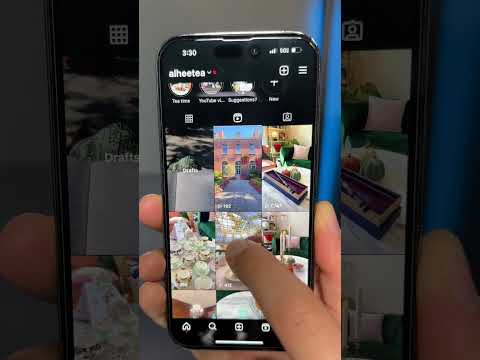
When picking between an online web app and a mobile application for your Instagram video downloader, it really comes down to how you use your phone. A web app is perfect for quick, one-off saves—you paste a link, grab the reel, and move on without installing anything. However, a dedicated mobile app shines if you download content regularly, offering deeper integration with your gallery and faster batch processing. For most people, choosing a mobile application is the better long-term bet if you want offline access and automatic file organization. If you only need a rare download, the web option wins for its simplicity and zero storage footprint.
Step-by-Step Guide: Grabbing Your First Video in Under a Minute
Start by copying the link from your Instagram post or Reel—the URL is all you need. Open your chosen instagram video downloader in a mobile browser; desktop tools work too but add a step. Paste the link into the input field, then hit the fetch or download button. The tool will parse the video instantly, typically offering multiple quality options; pick the highest resolution to preserve clarity. Tap the save icon, and the file lands in your gallery or downloads folder. For private accounts, you must download from your own logged-in session or use a tool that supports authenticated URLs, as public-only scrapers will fail. Avoid tools that force app installs—a clean web-based instagram video downloader finishes the whole grab in under sixty seconds, as long as your internet connection holds steady and you don’t pause to edit the filename.
Copying the Direct Link from the Instagram App or Browser
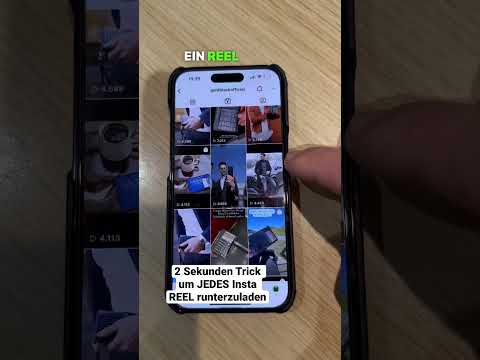
To start downloading, you first need to capture the video’s URL. In the Instagram app, tap the three-dot menu above the post and select “Copy Link”—this instantly saves the direct address to your clipboard. On a desktop browser, click the timestamp or the share icon, then choose “Copy Link” from the dropdown. For Reels or regular clips, ensure you copy the link from the post itself, not a story. After copying, simply paste that URL into your chosen instagram video downloader tool. Follow this quick sequence:
- Open the video post on Instagram.
- Tap the share icon (paper plane) or three-dot menu.
- Select “Copy Link” from the options.
- Paste the copied URL directly into the downloader’s input field.
Pasting Into the Saver and Picking Your Preferred Quality
After copying the link, return to the downloader tab and click the input field, then paste your copied URL using Ctrl+V (or Cmd+V on Mac). The tool will instantly parse the link and display available formats. Now, look for the quality selector—typically a dropdown or button row—offering options like HD (1080p), 720p, or MP4 audio-only. Choose the resolution that balances file size with your viewing device’s screen capability, then hit the download button. This step ensures you get the best output without wasting storage on unnecessary high-bitrate files. Choosing your preferred quality before saving prevents re-conversion later and speeds up the entire process.
Key Features to Look For in a Reliable Content Extractor
When you’re hunting for a reliable Instagram video downloader, the first thing I check is whether it preserves original resolution—because a tool that silently compresses your clips ruins the whole point. Look for direct MP4 extraction without watermark burns, and make sure it handles both reels and carousel posts in one go. A solid extractor must also parse private content through your login session, not by asking for passwords. Q: What single feature most often separates trustworthy downloaders from sketchy ones? A: The ability to paste a long caption URL and return a clean, pre-parsed video link without redirects or fake “download” buttons. In my experience, real reliability shows when you test it on a post with multiple media—if it presents each video separately, you’ve found a keeper.
Support for High-Resolution Downloads (HD, 4K, and Beyond)

A reliable Instagram video downloader must prioritize support for high-resolution downloads, ensuring you capture footage in its native quality rather than a compressed compromise. Look for tools that explicitly detect and offer HD (1080p), 4K, and even 8K streams when available, as Instagram often serves different bitrates depending on the original upload and your network. A robust extractor will parse the page’s metadata to fetch the highest-quality MP4 or WebM file, not just the fastest-loading variant. Be aware that some downloaders silently cap output at 720p unless you manually select a higher tier from a dropdown, so always verify the resolution before saving. For reels and carousel videos, check that the tool preserves the source’s frame rate and audio fidelity alongside the pixel count, avoiding upscaled fakes that merely stretch lower-res data.
Handling Private Account Content: What Works and What Doesn’t
Handling private account content is where most downloaders hit a wall. A reliable tool won’t bypass Instagram’s login walls or promise access to locked profiles—that’s a red flag and usually breaks terms of service. What works is a downloader that lets you save **your own private videos** after you’ve logged in, using your session to fetch only what you’re already authorized to see. What doesn’t work is any app claiming to “unlock” private accounts; those are scams or malware. A solid extractor should also clearly error out if a profile is private, not stall silently. Session-based authorization is the only ethical, functional route here.
Q: Can a downloader grab videos from private accounts I don’t follow?
A: No—reliable tools refuse to, and if one says it can, run away. You can only save content you already have viewing access to, like your own posts or a private friend’s video you’re allowed to see.
Batch Saving Multiple Videos at Once Without Hassle
When evaluating an Instagram video downloader, prioritize batch saving multiple videos at once without hassle to avoid repetitive single-file workflows. The tool should let you select multiple reels or posts from a grid or a pasted link list, then queue them for simultaneous processing. Look for a visible progress bar that distinguishes successful saves from failed ones, and a one-tap “retry failed” function to handle expired stories or private content. The best utilities preserve original captions and filenames during bulk export, while a dedicated batch queue prevents app crashes from memory overload. Ensure the downloader caps concurrent downloads (e.g., 5–10) to maintain speed without throttling.
Batch saving multiple videos at once without hassle means selecting all desired posts, queuing them in one action, and letting the extractor handle the rest—with clear error handling and no manual repetition.
Frequent Troubleshooting Questions for First-Time Users
First-time users often hit a wall when pasting an Instagram link, only to see an error—ensure the video is public, not from a private account, or the tool simply cannot fetch it. Another frequent snag: the downloader returns a low-quality file, which usually means you copied the link while the app was still buffering, so refresh and grab the IGTV or Reel URL fresh. If nothing happens after pressing download, disable your ad-blocker or switch browsers, as these extensions silently block the extraction script. Crucially, always verify you’re on the correct video page, not the profile or story tab, because those endpoints are unsupported even in the best tools. For batch saves, download each clip individually, as queueing multiple links often triggers a temporary IP throttle. When the download button ignores you, check your clipboard permissions—mobile browsers deny pasted text by default. *The most overlooked fix is simply toggling Wi-Fi off and on, since mobile carriers routinely strip the required embed headers.* Finally, if the output plays with no sound, re-encode using any free converter, as some hosts ship muted files.
Why Is the Video Not Downloading or Processing?
The most common reason a video fails to download is an incorrect or expired URL, as Instagram frequently changes link formats dynamically. Ensure you have copied the direct post link, not a share snippet, and that the account is public. Processing failures often stem from server overload or temporary rate-limiting after multiple rapid requests; wait a few minutes and retry. Additionally, very long or live videos may exceed the tool’s size limit, causing a stuck processing state. For reels, confirm the link includes “/reel/” specifically. If the issue persists, clear your browser cache or try a different browser, as stale cached data can block the downloader’s parsing script. Finally, disable any ad-blocker that might interrupt the fetch request.
Is It Safe to Use These Tools on My Phone or Computer?
Using an Instagram video downloader on your phone or computer is generally safe, provided you stick to reputable websites and avoid sketchy pop-up ads. Verify the tool’s URL and read recent user reviews before pasting any link, as cloned domains often hide malware. Never grant unnecessary permissions—a downloader should only need clipboard access, not your contacts or location. For phones, prefer mobile-optimized web tools over unknown APK apps, which can carry hidden trackers. On computers, run a quick antivirus scan on the downloaded file. If a tool demands your Instagram password, it is a scam—legitimate downloaders only ask for the video’s URL. Finally, clear your browser cache after each session to remove any residual cookies. Follow this sequence: confirm HTTPS, test with a low-stakes video, then download your target clip.
Can I Save a Video Without a Watermark or Extra Logo?
Yes, most Instagram video downloader tools save the original file exactly as posted, without adding a watermark or extra logo. The platform itself never burns a visible mark into videos, so if you see one, it was applied by the uploader before sharing. To avoid this, always copy the direct post link and paste it into a reputable downloader that fetches the source MP4. If the original clip already contains a creator’s watermark, no downloader can remove it, since that mark is baked into the video data itself. For Reels or posts, verify the file size and resolution matches the preview; a clean version will retain the same quality and no overlay.